For Who?
Cybersecurity professionals, IT managers, business owners, and fraud prevention teams looking to understand and mitigate the risks of Caller ID spoofing. It is also valuable for individuals concerned about phone security threats.
Estimated Reading Time:
8-10 minutes
Reading Difficulty Level:
Intermediate to Advanced – Designed for readers with a foundational understanding of cybersecurity, with technical details explained for broader accessibility.
Caller ID Spoofing: The Invisible Threat to Phone Security and How to Combat It
In today’s hyper-connected world, cyber threats are no longer confined to phishing emails or malware-infected links. They’re increasingly coming through one of our oldest, most trusted communication channels—the phone. Caller ID spoofing has evolved into a sophisticated method used by cybercriminals, exploiting phone networks to deceive individuals and businesses alike. For cybersecurity professionals and organizations alike, caller ID spoofing presents a unique challenge. Here, we’ll explore caller ID spoofing in detail, examine its risks to businesses, and outline comprehensive strategies for preventing it.

What is Caller ID Spoofing?
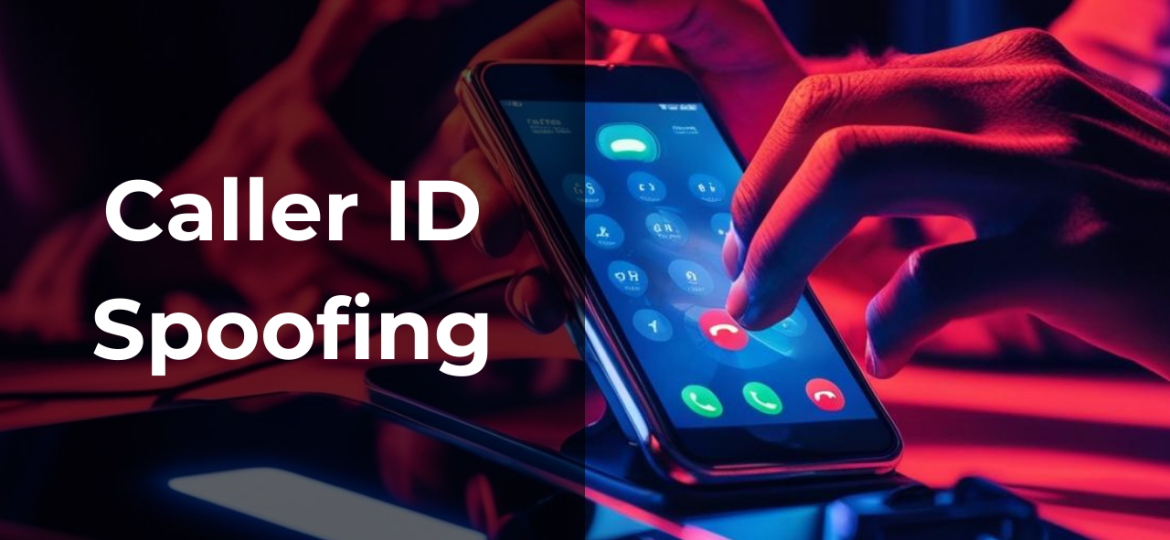
Caller ID spoofing is the act of falsifying the caller’s number displayed on the recipient’s caller ID, making it appear as though the call is from a legitimate source. Cybercriminals manipulate caller ID information, often appearing as someone you trust, like a bank, government agency, or familiar business. This deception lowers the defenses of even the most cybersecurity-conscious individuals and enterprises, making them more vulnerable to information theft, fraud, and unauthorized access.
How Caller ID Spoofing Works: The Technical Side
The technology underlying phone systems was not initially designed with security in mind, particularly around verifying the caller’s identity. Spoofing exploits this vulnerability by using Voice over IP (VoIP) services, call-modification software, or third-party spoofing services to alter the caller ID that appears to the recipient. This technology enables attackers to pose as a trusted contact or familiar entity, creating a false sense of security that leads to devastating consequences.

Common Tactics and Threats in Caller ID Spoofing
Business Impersonation Scams: Cybercriminals impersonate legitimate businesses to extract sensitive information from unsuspecting employees or customers. Spoofed calls often mimic help desks, IT support, or executive requests, tricking recipients into providing credentials, sensitive data, or even transferring funds.
Supply Chain and Vendor Fraud: In increasingly digitized supply chains, fraudsters may pose as trusted suppliers, requesting urgent payments or information that can lead to financial loss and data exposure. Spoofed numbers can match those of actual vendors, making detection challenging without stringent verification processes.
Account Compromise and Phishing: Through social engineering, attackers use spoofed calls to gather enough information to compromise accounts. For instance, they might pose as an HR representative or IT department, asking for login details or personal identifiers that provide access to sensitive systems or data.
Government and Law Enforcement Impersonation: By pretending to be government or law enforcement officials, scammers intimidate recipients into sharing information, making payments, or even granting remote access to their devices. This tactic is particularly effective against smaller businesses or less security-mature individuals within an organization.
Executive or “CEO Fraud”: In this scam, the attacker impersonates a high-ranking executive, asking employees to conduct urgent and confidential transactions. These spoofed calls may instruct employees to bypass standard processes, making them harder to track and prevent without prior training on such tactics.
Risks of Caller ID Spoofing for Businesses
Caller ID spoofing can lead to multiple issues, many of which have ripple effects across an organization:
- Financial Loss: Attackers often deceive employees into approving transactions or revealing sensitive payment information, resulting in significant monetary losses.
- Data Exposure: Spoofed calls can trick employees into disclosing confidential company or customer data, leading to severe privacy violations and reputational damage.
- Network and System Breaches: Through social engineering, attackers may gather login credentials or other information that allows unauthorized access to systems.
- Reputational Harm: Customers or partners who fall victim to spoofing impersonations may lose trust in your brand, damaging relationships and future business.
- Operational Disruption: Repeated fraudulent calls can disrupt business operations, diverting attention and resources to managing and mitigating these threats.
Comprehensive Strategies to Combat Caller ID Spoofing
Implement Multi-Layered Verification Processes: For sensitive requests—especially those involving financial transactions or confidential information—establish multi-step verification procedures. Require verification through a different communication channel or an internal system that can confirm the request’s legitimacy.
Adopt Caller Authentication Technology: The STIR/SHAKEN framework, which is now widely deployed in the United States, authenticates the caller’s number to reduce the likelihood of spoofed calls. While not foolproof, it provides an added layer of verification, particularly for businesses working with telecom providers that support the technology.
Train Employees on Caller ID Spoofing: Educate your team on the risks of spoofing, emphasizing the need to verify all unusual or sensitive requests. Ensure that they know the common signs of spoofing, such as a sense of urgency, unusual requests, or caller hesitation. Regular training and simulated social engineering exercises can enhance employee resilience to these tactics.
Integrate Anti-Spoofing Solutions and Security Controls: Many cybersecurity platforms offer anti-spoofing technology that can filter out suspicious calls or flag high-risk numbers. These solutions can integrate with broader threat detection systems to monitor and block phishing attempts across phone, email, and messaging channels.
Encourage a Culture of Caution: Foster an environment where employees feel empowered to question and validate requests, even from high-ranking officials or familiar contacts. This culture can significantly reduce the risk of social engineering and insider attacks.
Use Call-Blocking and Reporting Tools: Certain telecom providers offer call-blocking services specifically designed to combat spoofing. Encourage your team to report suspicious calls to telecom providers and regulatory bodies, helping these organizations track and address fraudulent patterns.
Set Up and Enforce Strong Internal Policies: Develop clear guidelines for handling phone-based requests for information, payments, or access. For example, you can implement policies that mandate cross-channel verification for sensitive actions and specify sanctions for unauthorized deviations from these policies.

How the Industry is Fighting Caller ID Spoofing
Telecom providers and regulatory authorities worldwide are stepping up efforts to reduce caller ID spoofing, but the fight requires ongoing vigilance. The Federal Communications Commission (FCC) in the U.S., for instance, has implemented requirements for telecom providers to authenticate calls using the STIR/SHAKEN framework, which validates the origin of each call. While these solutions don’t fully eliminate spoofing, they have helped mitigate some of the risks, especially for those who adopt additional anti-spoofing measures.

Final Thoughts: The Need for Vigilance and Education
Caller ID spoofing is a growing threat that impacts individuals and businesses alike, posing risks that extend far beyond financial loss. For organizations, combating caller ID spoofing isn’t solely about technology; it’s also about awareness, training, and a proactive approach to verifying calls. Employees should be empowered to question suspicious requests, and businesses must adopt a multi-layered strategy to ensure their defenses against this invisible threat remain robust.
In the realm of cybersecurity, vigilance is critical. Staying informed about tactics like caller ID spoofing and taking preventative measures can mean the difference between a secure organization and one that falls victim to cybercriminals. Educating your workforce, leveraging advanced anti-spoofing technology, and fostering a culture of caution will help safeguard against the hidden dangers of caller ID spoofing, ensuring your business remains resilient in the face of evolving threats.